Play the cards
First, the game these cards were for three centuries. Then the divination added later — which we hold open as a question, not a claim — and a chance to draw a spread and read it as fiction, held as a gate, not a fate. Both are play in Tolkien's sense: you're a sub-creator, a maker of a small world you step into with your judgment intact — never a fortune you obey. Start with the short companion below, or jump straight to a game.
One Play the games
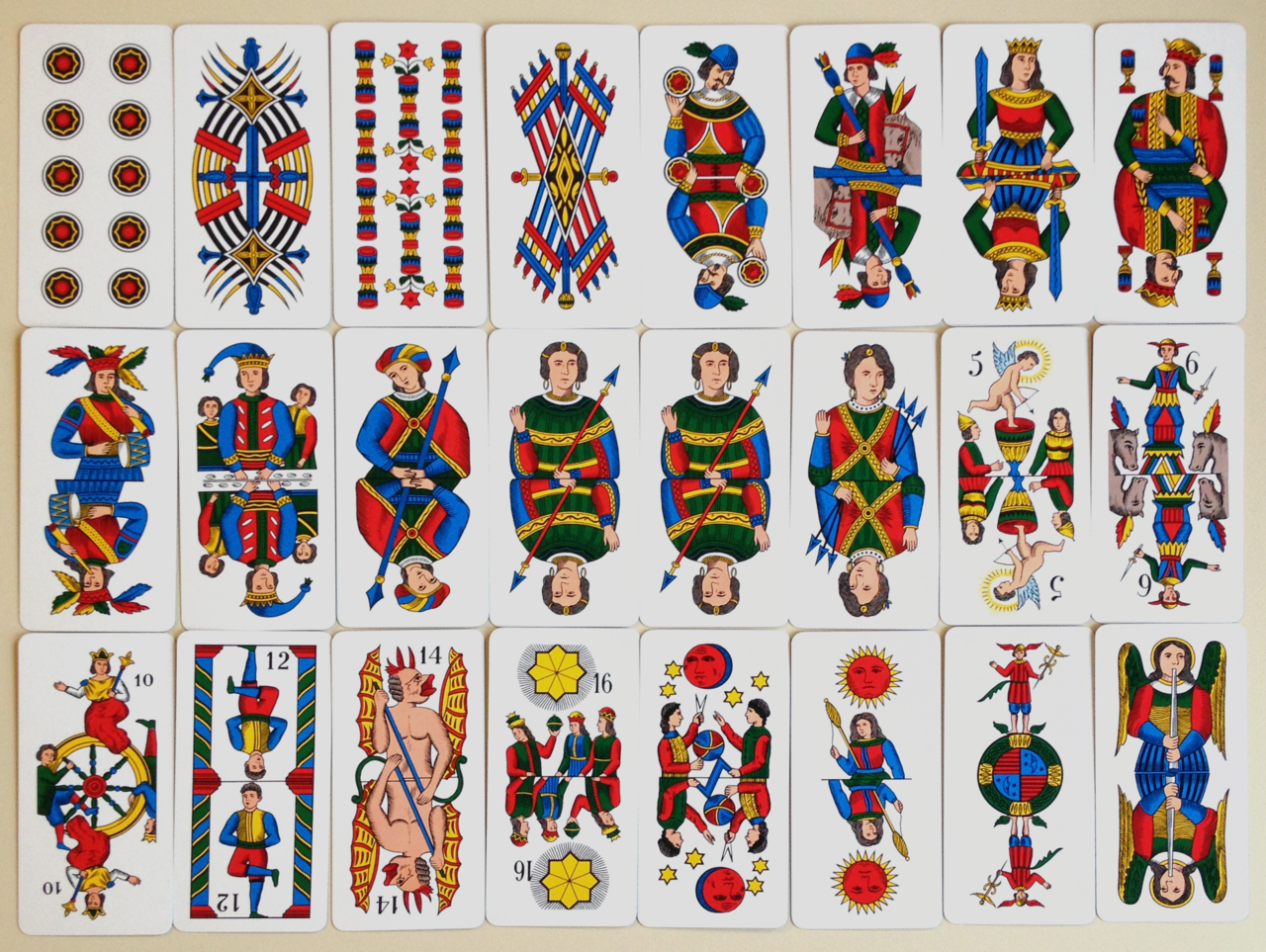
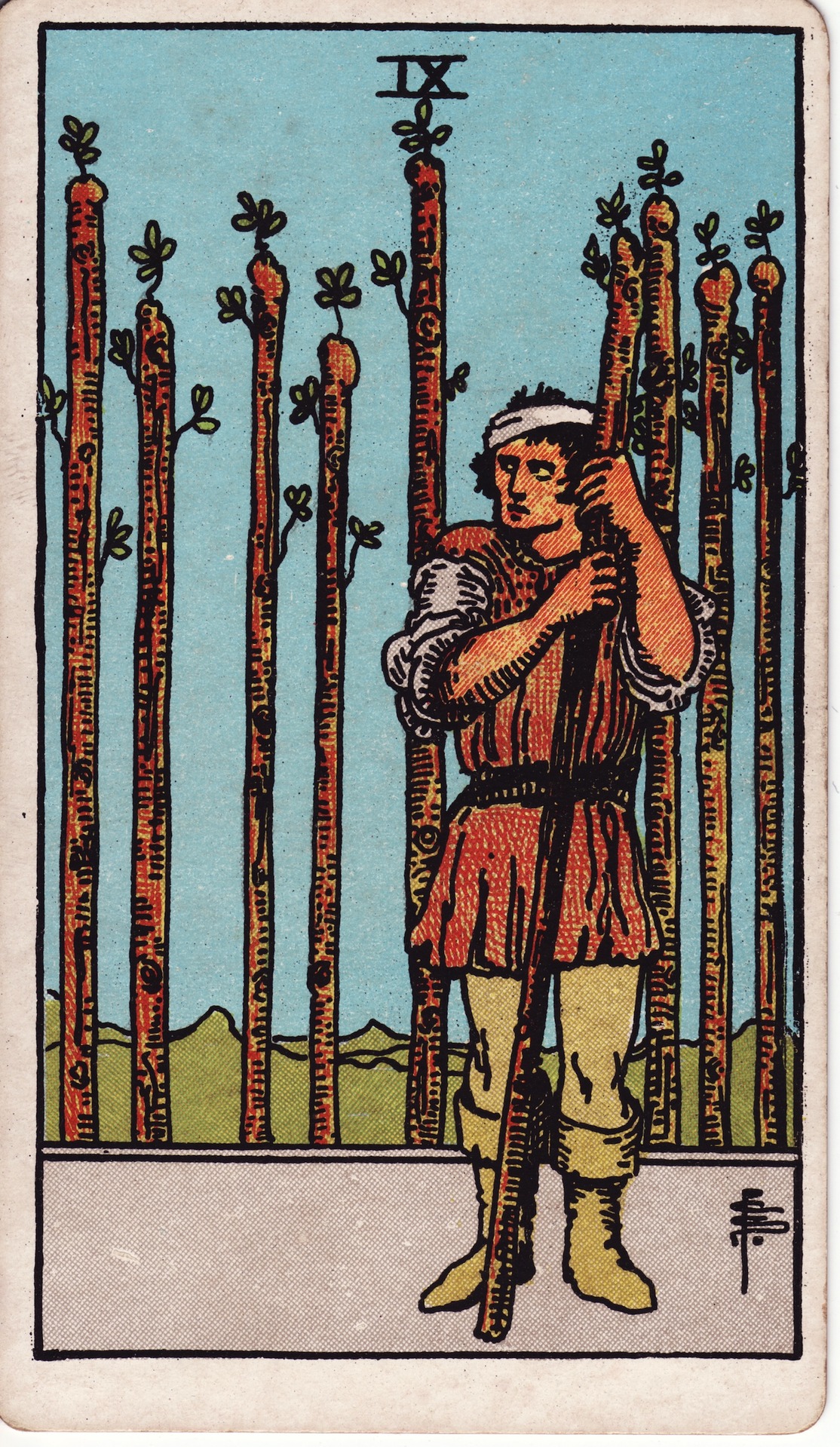
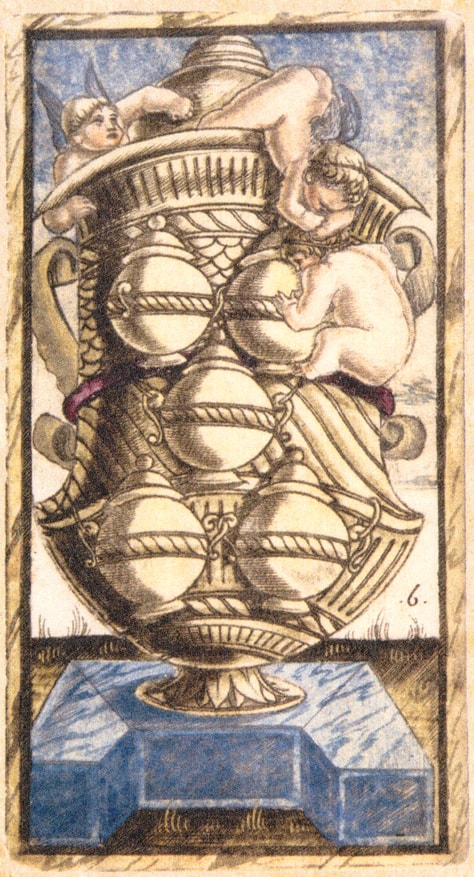
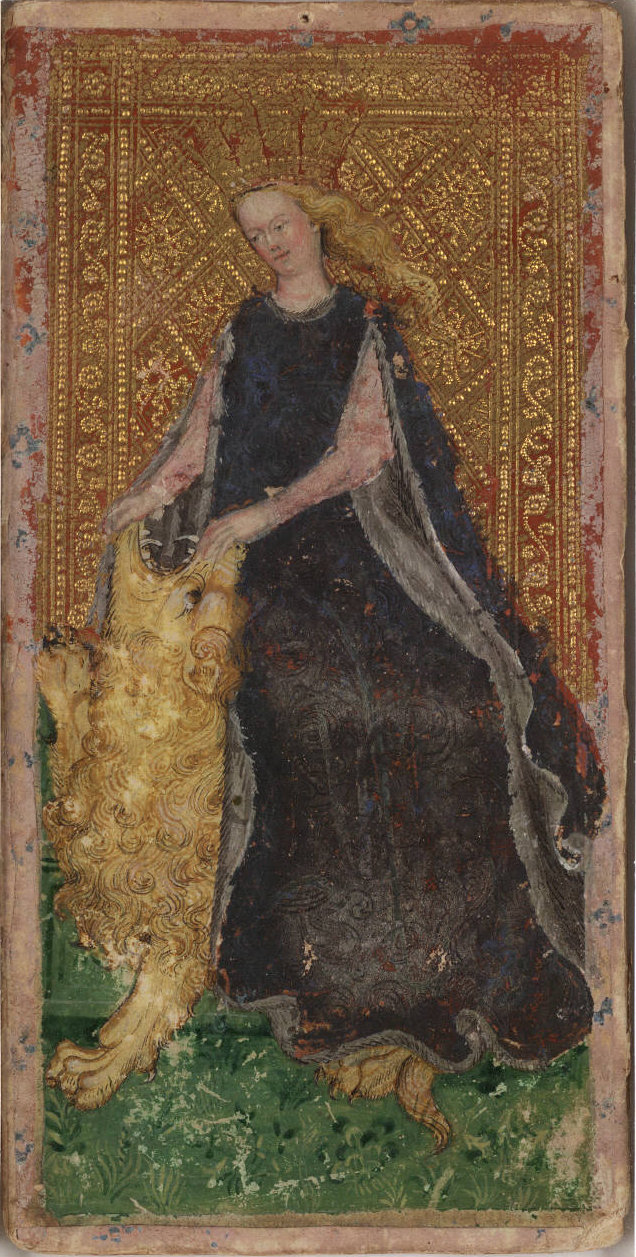
For most of their history these cards were not read — they were played. We've reconstructed three of those games to the historical record: the deck compositions, the trump orders and suit rankings, even the quirks (a Cash suit that ranks backwards, four "Moors" of equal rank, the Fool as a silent Excuse) all follow the sources. And each is dealt from a genuine open deck in this library — the historical article, not a modern redraw — so the cards in your hand are as accurate as the rules. Where a rule is simplified or a deck rendered from type rather than scanned, we say so on the page.
Two The divination — an open question
Tarot has always been play — first a game, then a divination practice or trick, and now, most currently, a play of sense-making belief. Tarot's divination was added, not revealed — this whole project is built on saying so plainly, and we make no claim that the cards foretell anything. What we hold open, instead, is a quieter hypothesis: that something in the divinatory traditions may yet be worth keeping, and that we are still studying what. We don't adjudicate between the ways people find them useful — only keep the door open:
- The empirically-minded may value the move that art and narrative therapy are built on — externalising: put the difficulty out there, on a card, and you can turn it over in your hands. You can do that by simply journaling, by building your own deck on recursive.eco, or by making one directly with Claude Code.
- The historian, weary for an afternoon of the discipline of never accepting what cannot be observed, can sit with a card and stay open to the hypotheses we will never have evidence for — much as Carlo Rovelli, in Helgoland, wonders what the fire he is watching really is.
- The animist may enjoy the possibility of being, for a moment, a vehicle for something larger than themselves.
- The Jungian may find synchronicities, or an archetypal dialogue with the figures on the cards.
- The lover of stories may hold the card the way Tolkien held myth — not as a lie but as sub-creation: a made thing that can tell a true thing slant. To pretend, deliberately and with both eyes open — to make-believe — is one of the oldest ways our species has made meaning, and it lifts rather than deceives.
- And when a reading lands uncannily, the course names the quieter machinery without explaining the meaning away — conceptual blending, the Barnum effect, cold reading, depth psychology, and narrative therapy. Meaning made is still meaning: read the five lenses →
Three Watch the history
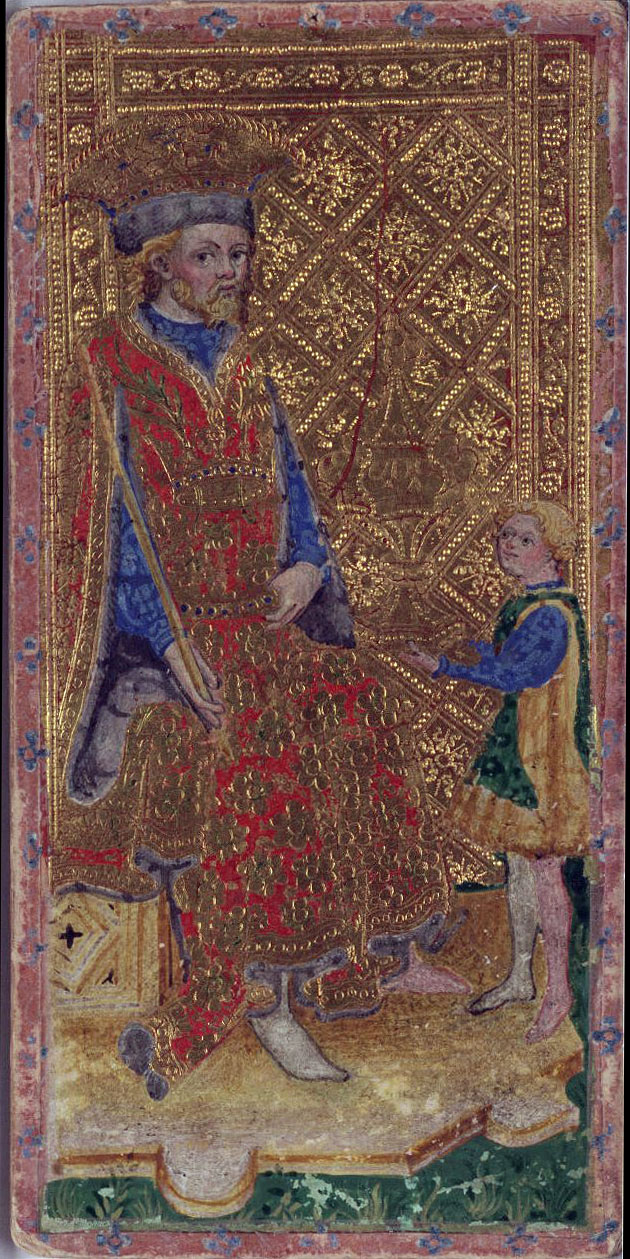
Accounts of the history of tarot, in motion — public documentaries first, then our own short programs. We welcome contributions: found a public-domain documentary or talk worth adding? Add one with a one-line prompt →
Four Help keep it alive
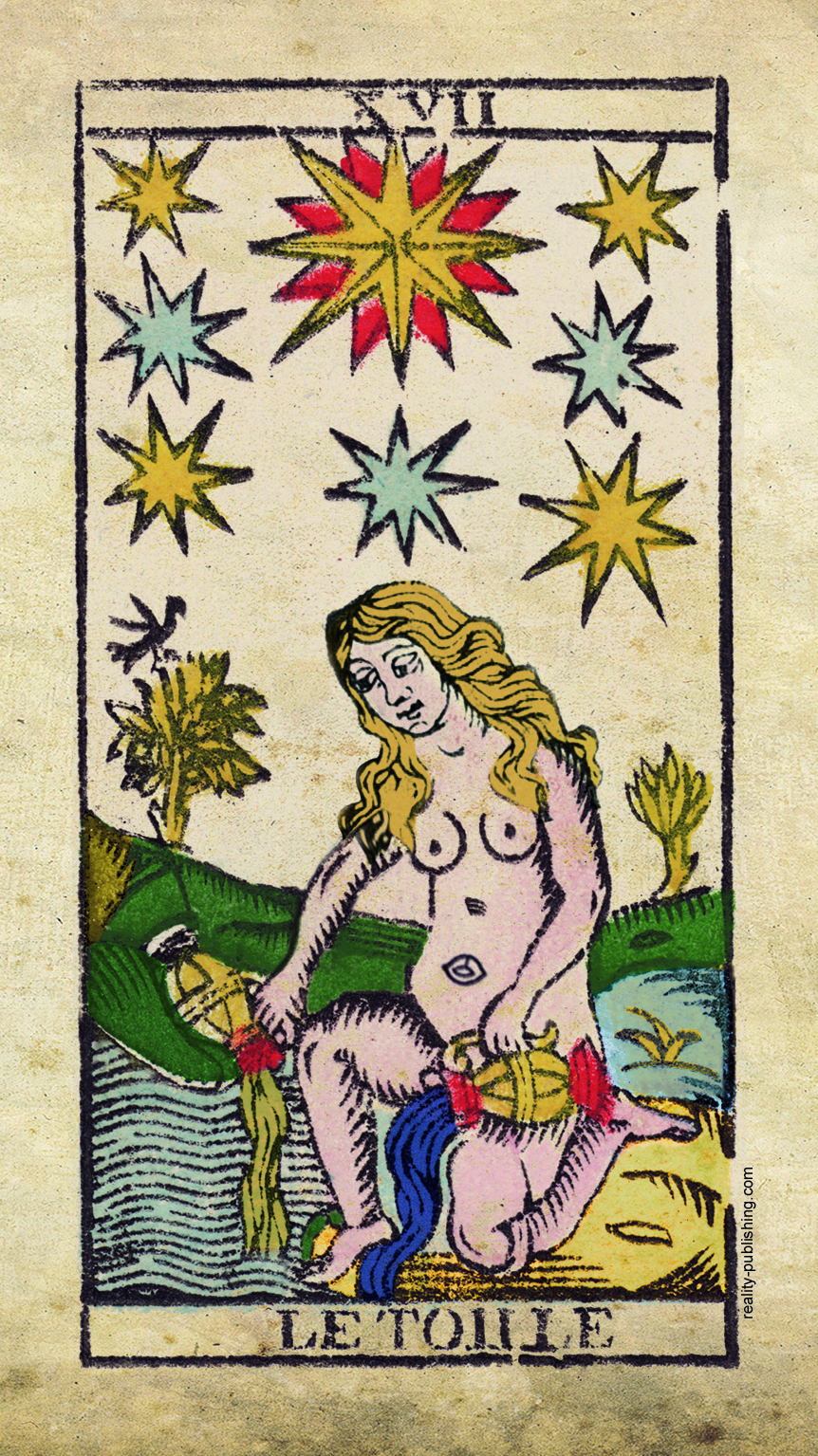
This is a public commons — every deck a plain JSON grammar, every image credited, the whole history forkable. The loop only closes when the people who use the tool also tend it: what the anthropologist Christopher Kelty calls a recursive public — a community that maintains the very means of its own coming-together. That is the wager of recursive.eco, in miniature.